Micro-Forest Planting Techniques for Urban Biodiversity
Chosen theme: Micro-Forest Planting Techniques for Urban Biodiversity. Discover how compact, fast-growing native forests can transform hard city spaces into living habitat, build climate resilience, and spark neighborhood pride. Join the conversation in the comments and subscribe for field-tested guides, design checklists, and inspiring community stories.

Why Micro-Forests Work in Cities
From Parking Lot to Pocket Canopy
At a sun-baked bus stop, volunteers converted 120 square meters of compacted gravel into a layered grove. Two summers later, commuters share shade with butterflies, kids hunt for beetles after rain, and neighbors bring watering cans like gifts. Tiny area, huge emotional impact.
The Biodiversity Boost, Quantified
Research on dense native mini-forests, including Miyawaki-inspired projects, consistently finds fast increases in insect activity, bird visits, and soil life within a few years. Layering multiplies niches, while year-round structure offers shelter. Even small patches function as stepping stones between larger habitats.
Community Energy as Fertile Soil
Micro-forests thrive on people power. Planting days build friendships, and stewardship calendars keep care realistic. When residents help design edges and paths, vandalism drops and curiosity grows. Post updates regularly, invite feedback, and ask neighbors to adopt a plot to strengthen long-term care.
Map sun, wind, and water pathways across seasons. Note utilities, soil depth, and adjacent trees. Observe traffic, desire lines, and places people already pause. Sketch microtopography and plan for access paths, wheelbarrow routes, and staging areas so planting day runs smooth and joyful.
Site Selection and Soil Preparation
Urban soils are often compacted and low in biology. Loosen subsoil without flipping layers, add composted organic matter, and avoid peat. Incorporate wood chips and local leaf litter to seed fungi. Test drainage and pH, and protect soil structure from heavy equipment before planting.
Site Selection and Soil Preparation
Designing Multi-layered Native Plant Palettes
Interplant fast pioneers beside slower, longer-lived natives. Dense spacing accelerates canopy closure, suppresses weeds, and stabilizes temperature and humidity. Mix leaf shapes and root depths to share resources. Aim for continuous cover so rain hits leaves, not bare soil, preserving moisture and soil structure.
Designing Multi-layered Native Plant Palettes
Match species to your ecoregion and microclimate, not just country. Prioritize local genetic lineages. Extend bloom and fruiting periods for pollinators and birds. Include larval host plants, thorny refuge shrubs, and evergreen structure. Skip showy cultivars if they reduce nectar, pollen, or wildlife value.

Grid and Spacing Myths
Rules like three to five plants per square meter are guides, not laws. Use staggered clusters and microclumps to echo natural regeneration, create light pockets, and form narrow maintenance paths. Vary density near edges to welcome people while protecting the forest core from trampling.
Planting Depth and Mycorrhizae
Dig holes wider than the root ball, not deeper. Set the root flare at grade, tease circling roots, and backfill with site soil. Water in to settle, then mulch. Add a handful of healthy local leaf litter to introduce beneficial fungi and soil invertebrates naturally.
Mulch, Protection, and Microclimate
Lay a generous wood-chip mulch blanket, keeping stems clear. Install temporary shade cloth during heatwaves and simple windbreaks on exposed sites. Use guards where browsing or vandalism is likely. Label species, mark paths, and stage tools and water so volunteers feel effective immediately.
Early Care: The First Three Years
Watering Without Waste
Water deeply and less often to train roots downward. Use basins, mulch, and captured rain to stretch every drop. Where legal, divert roof runoff. Build a rotating volunteer roster, with checklists and text reminders, so care is reliable and no one burns out mid-summer.
Weed Pressure and Mulch Maintenance
Suppress turf before planting and replenish chips annually. Hand-weed early, before seed set, focusing on aggressive competitors near tree bases. Plant living mulches and shade-tolerant natives to occupy soil. Teach volunteers proper identification so desired seedlings are protected rather than accidentally removed.
Data-driven Monitoring
Track survival, growth, canopy closure, and simple biodiversity indicators like pollinator counts or bird sightings. Use shared spreadsheets or free apps. Celebrate milestones—first fledgling, first shade circle—on community boards. Publish results to attract funding, volunteers, and replication by neighboring schools and businesses.
Biodiversity Features and Habitat Add-ons
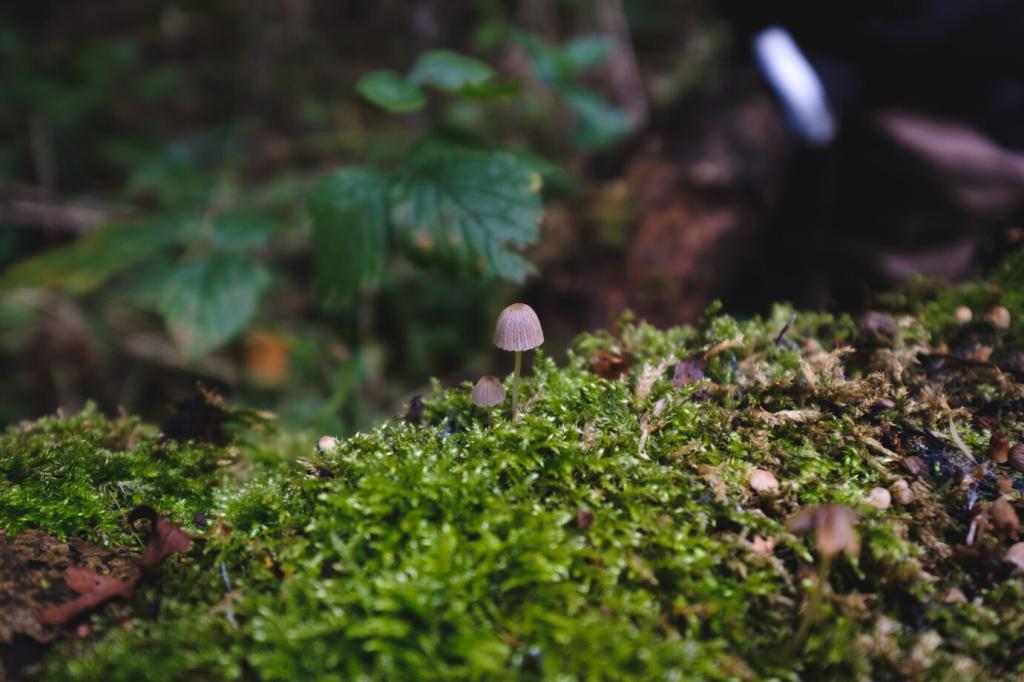
Keep some logs, branches, and leaves on-site to foster fungi, beetles, and soil life. These features cycle nutrients, shelter amphibians, and feed birds. A small sign reframes the look from messy to intentional habitat, helping neighbors appreciate the quiet work of decomposition.
Before planting, photograph and document soil, temperature, and existing wildlife. Repeat measurements seasonally. Compare infiltration rates, surface temperatures, and species presence over time. Clear baselines turn anecdotes into persuasive results that help secure funding, unlock permissions, and justify similar projects across the city.
Measuring Impact and Sharing Stories
