Cities in Miniature: Micro-Forests' Role in Sustainable Urban Development
Chosen theme: Micro-Forests’ Role in Sustainable Urban Development. Explore how tiny, native-rich forests transform heat, water, biodiversity, and community life, and join us by sharing questions, stories, and sites ready for greening.
Pocket forests shade pavements, increase evapotranspiration, and can lower local surface temperatures by two to four degrees Celsius in summer. Tell us where your block overheats most, and map future cooling together.
Test infiltration with a simple percolation hole, then amend compacted soils with compost and biochar for structure and moisture. Post your results, and we’ll suggest right-sized interventions for tight urban plots.
02
Choose local canopy, understory, shrub, and groundcover layers to mimic regional forests, favoring diversity and resilience. Subscribe to receive seasonal plant lists tailored to your climate zone and available nursery stock.
03
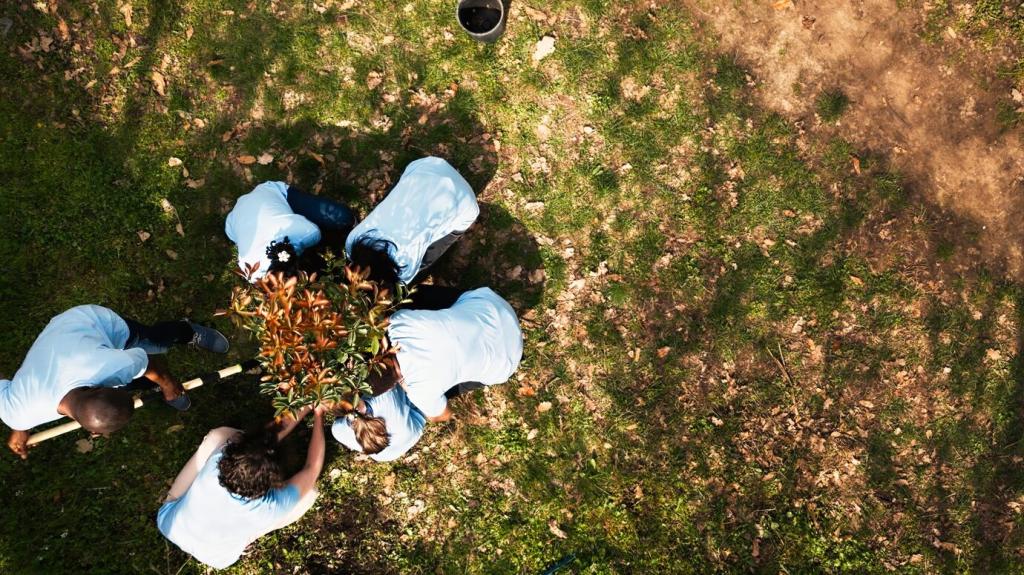
Plan weekend swales, mulch brigades, and tool shares, then assign watering rotations for the first two summers. Tag neighbors who might join, and we’ll compile a volunteering calendar you can adapt.
Water, Storms, and Resilience
Swales, tree pits, and deep mulch absorb intense downpours, easing pressure on aging sewers and reducing street flooding. Share photos from your last storm, and together we’ll diagnose runoff paths and fixes.
Water, Storms, and Resilience
Contour beds into shallow basins and mounds to slow water, shelter seedlings, and stretch limited irrigation. Tell us which drought strategies worked for you, and we’ll feature community-tested ideas next month.
A fifth-grade class planted a 100 square meter forest behind their gym, then tracked insect arrivals weekly. Invite a teacher you know; we’ll share curriculum outlines aligned to science standards.
Layered vegetation dampens traffic noise and creates shaded seating nooks for lunchtime breaks. Tell us where your neighborhood needs a micro-sanctuary, and we’ll sketch ideas for low-cost, rapid installations.
Set up photo points, bird counts, and soil moisture logs to build a shared dataset over seasons. Post your baseline numbers today, and compare progress with readers planting across different climates.
From Pilot to Policy
Many cities allow community plantings on verges and setbacks if sightlines, utilities, and accessibility are protected. Share your city’s rules, and we’ll compile a navigable permitting checklist for newcomers.
Stories from the Field
Commuters started arriving early just to sit under young canopy shade, reporting cooler waits and friendlier chats. Share your transit corner; we’ll imagine planting layouts that welcome daily passersby.
Stories from the Field
Neighbors transformed a trash-strewn plot into layered habitat with logs, leaf litter, and rain gardens. Tell us your most neglected spot, and we’ll help outline a hopeful first-season action plan.