City Life, Rewilded: Innovative Urban Biodiversity Solutions with Micro-Forests
Chosen theme: Innovative Urban Biodiversity Solutions with Micro-Forests. Discover how compact, native-rich plantings can cool streets, spark community pride, and bring wild life back to the everyday city. Subscribe for field-tested tips and inspiring micro-forest stories.
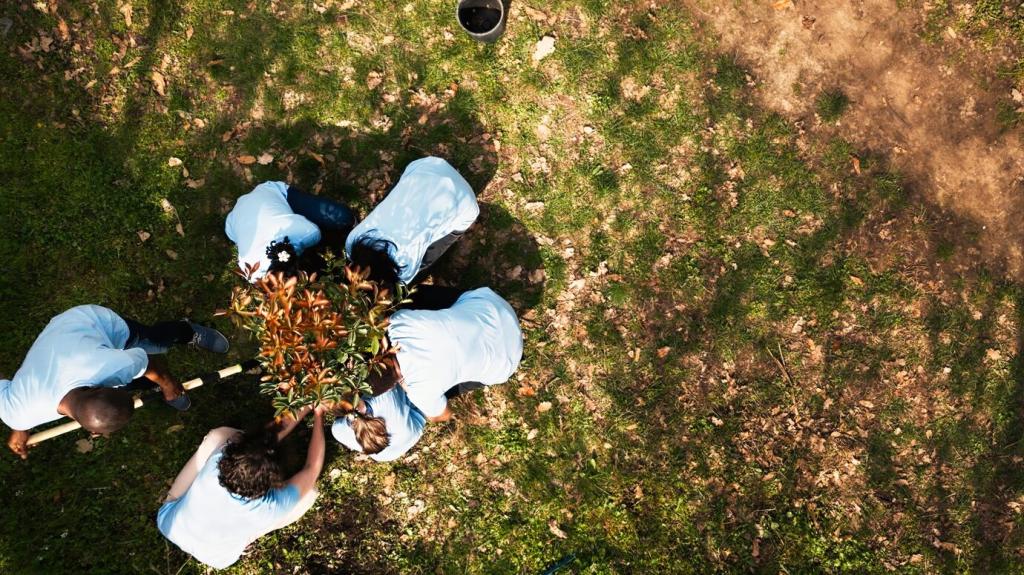
Micro-forests use layered native plantings—canopy, understory, shrubs, and herbs—to create habitat complexity in just a few parking spaces. Birds, butterflies, and soil life return fast, often within two seasons. Comment with the native species you dream of seeing.
Target utility verges, school setbacks, sunny medians, and underused corners near bus stops. Map sunlight, foot traffic, and underground utilities, then choose spots with community visibility. Where would you place a micro-forest on your block? Sketch it and share your map.
Building Living Soil, Fast
Layer compost, leaf mulch, and biochar to restore structure, then inoculate with mycorrhizae to boost root partnerships. Protect soil from compaction and drought with thick mulch. Want our soil recipe card and watering schedule? Subscribe and we’ll deliver new field notes monthly.
Choosing a Native, Resilient Palette
Select species for staggered bloom and fruit, drought tolerance, and layered structure. Pair canopy pioneers with shade-loving understory and pollinator shrubs. Local ecotypes matter. Post your favorite trio—one tree, one shrub, one herb—and we’ll spotlight creative combinations.
A Schoolyard Shade Revolution
An asphalt-heavy school planted a micro-forest beside the basketball court. By summer, teachers reported cooler recess zones and student-led insect counts. Families now meet for Saturday mulching. Could your school host a tiny forest? Nominate it and invite parent volunteers.
Along a busy transit route, a micro-forest stitched nectar corridors between stops. Commuters noticed bees before buses, and posted seasonal photos. Drivers reported less glare and calmer waiting areas. Share your transit-edge idea; our readers love practical, high-visibility habitats.
Low-cost probes linked to simple dashboards reveal when roots actually need a drink. Teams set thresholds and avoid overwatering, saving money while boosting survival. Have you tried sensor-guided watering? Share your data curve and what surprised you during heat waves.
Smart Tools for Smarter Micro-Forests
GIS layers show hotspots, asthma rates, and low tree cover, helping communities prioritize fairer, faster plantings. Overlay bus stops, schools, and senior housing to maximize benefits. Tell us which layers shaped your decisions; we’ll compile community-tested mapping recipes.
Policy, Permits, and Funding Pathways
Model ordinances clarify setbacks, root barriers near sidewalks, and low-maintenance species lists. Pre-approved layouts speed approval and reassure risk managers. Which departments support green pilots in your city? Share contacts so others can replicate your smoother path.
Measuring Biodiversity and Success
Start with a photo point and quick species list; repeat monthly. Count pollinators, note blooms, and track canopy growth. Even a few minutes per visit builds a powerful story. Which indicators feel doable for your team? Share your starter set.